Hawthorn Woods Neighborhoods | A Buyer's Guide
Hawthorn Woods spreads its housing across distinct subdivisions with genuinely different personalities, from a gated golf community to lake-rights enclaves and no-HOA acre lots. These six cover the ground most buyers ask about first.
Hawthorn Woods Country Club
The village's signature community wraps a gated collection of homes around the Arnold Palmer championship course near Gilmer and Midlothian roads, with winding streets, sidewalks, ponds and some golf-course homesites. Resort amenities come with the address, a pool, fitness center, tennis, paddle and pickleball, dining and a busy social calendar, and homes on club property carry membership as part of ownership. M/I Homes is still building here as of 2026, with multiple floor plans available, and resales plus new builds regularly reach toward and past $1 million. Buyers should budget the membership structure alongside the mortgage; the team walks through both.
West Hawthorn Hills and Stonebridge
The village's western subdivisions carry much of its newer non-club construction, with West Hawthorn Hills and Stonebridge offering larger contemporary floor plans on generous lots, and prices that can approach $1 million for the newest and largest homes. School assignments split between districts on this side of the village, so two similar homes a few blocks apart can feed different high schools. That quirk keeps address-level diligence essential, and it occasionally creates value for buyers flexible on the school question.
White Birch Lakes
White Birch Lakes is the village's lake-rights enclave, where homes on wooded lots of an acre or more share access to Lake Naomi and Leo Lake through the neighborhood association, including a sandy swimming beach and a boat launch for non-motorized craft. Housing runs from updated 1970s and 1980s customs to newer builds, and the occasional buildable cul-de-sac lot still comes to market, a rarity this close to the Route 12 corridor. Waterfront and lake-rights premiums here are real; pricing against the wider village medians misreads this pocket in both directions.
Thornfield Estates and the No-HOA Acre Lots
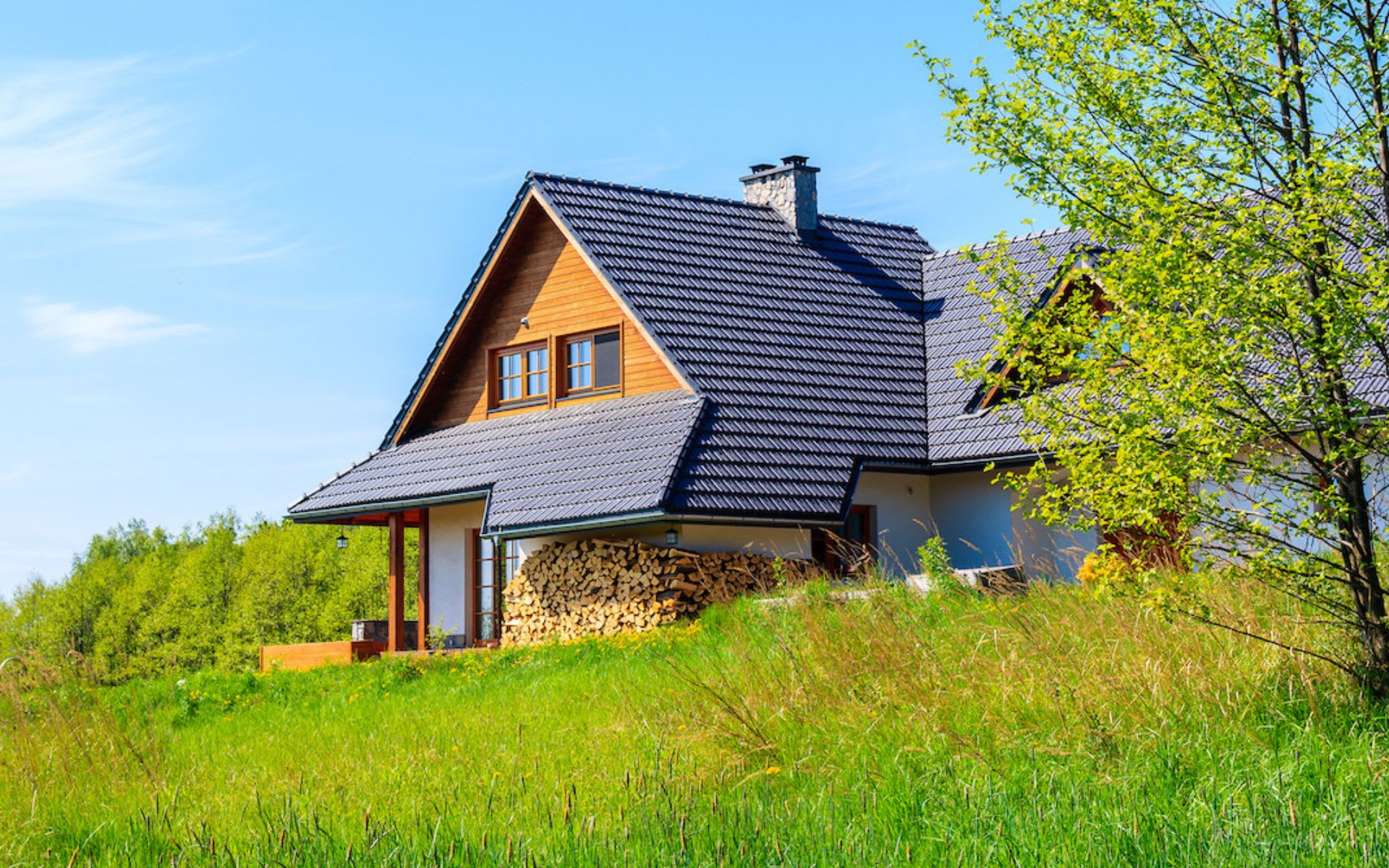
Much of Hawthorn Woods' original character lives in subdivisions like Thornfield Estates, where four- and five-bedroom homes sit on an acre or more with no homeowners association at all. These streets attract buyers who want land, mature trees and the freedom to build the garage, garden or sport court without committee approval, and they trade briskly whenever a well-kept home lists in the $600,000s and $700,000s. Wells and septic systems are common, so inspections run a step deeper than in utility-served subdivisions.
Hawthorne Knolls and the Established Core
The village's established core, in pockets like Hawthorne Knolls, carries semi-custom homes from the mid-century decades through the 2000s on acre-scale lots, some assembled as double lots with exceptional privacy. This is the heart of the fenceless landscape that defines Hawthorn Woods, deep lawns flowing into woods with no property lines visible, and it is where long-tenured owners create most of the village's resale inventory. Updated homes here compete directly with new construction on setting, if not on finishes.
Land and Buildable Lots
Unusually for an established acre-lot village, Hawthorn Woods still offers buildable parcels, from wooded cul-de-sac lots in White Birch Lakes to scattered infill acreage elsewhere, typically an acre or more. For buyers who cannot find the right resale, a custom build here delivers new construction outside the club at the buyer's own pace and specification. Lot diligence matters, covering well and septic feasibility, tree preservation and village setback rules, and the team coordinates that homework before a land contract is signed.